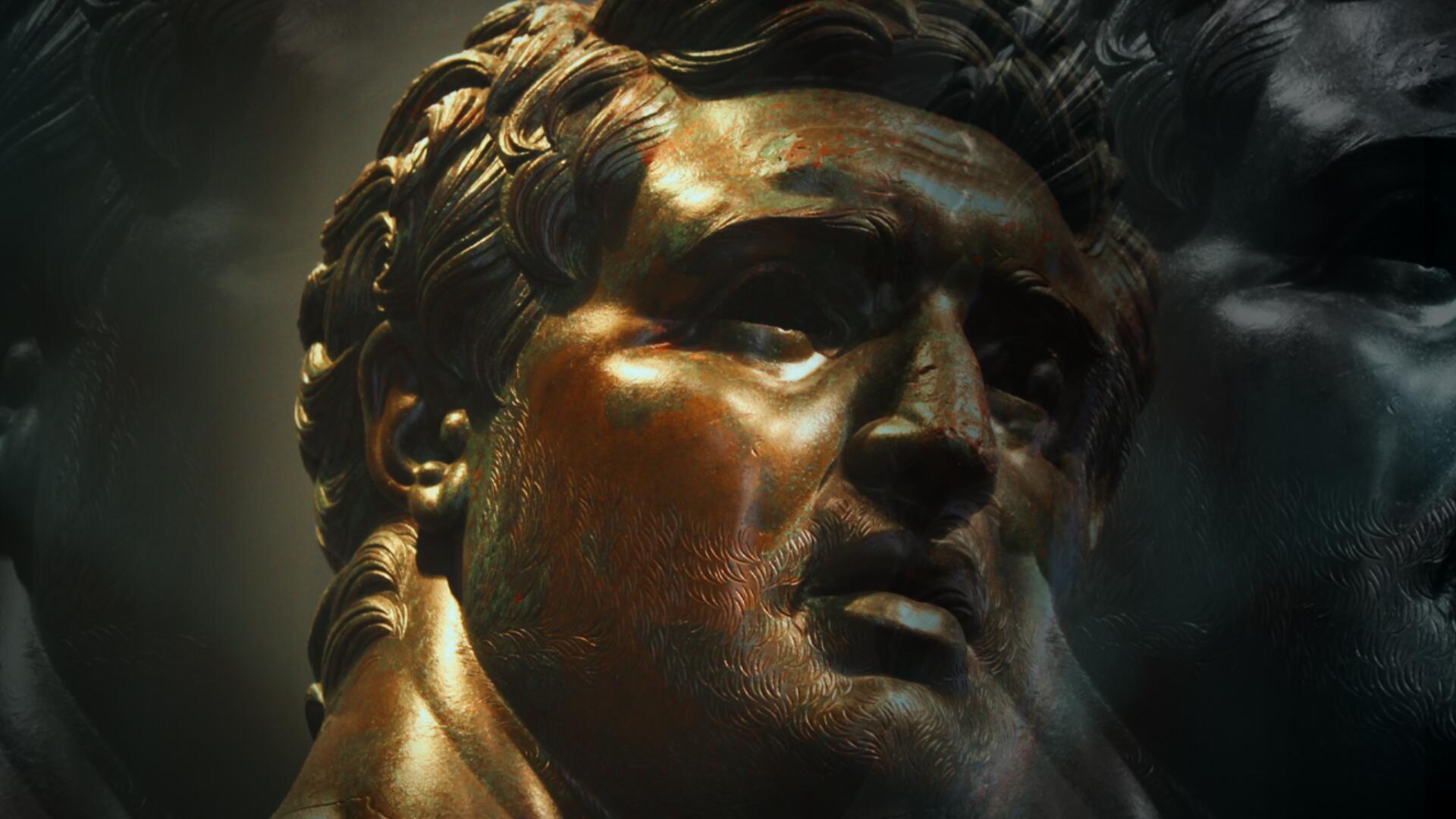
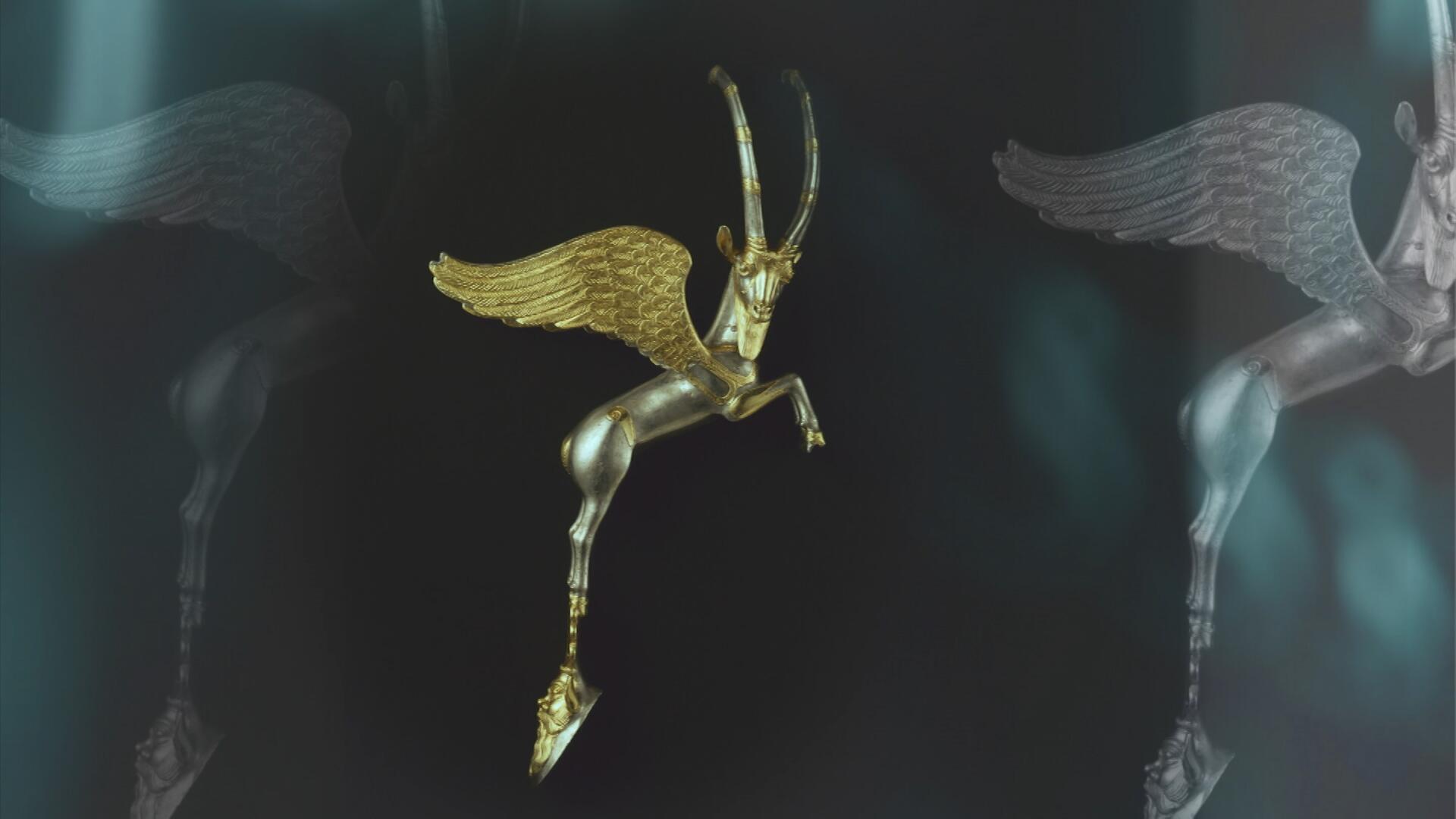
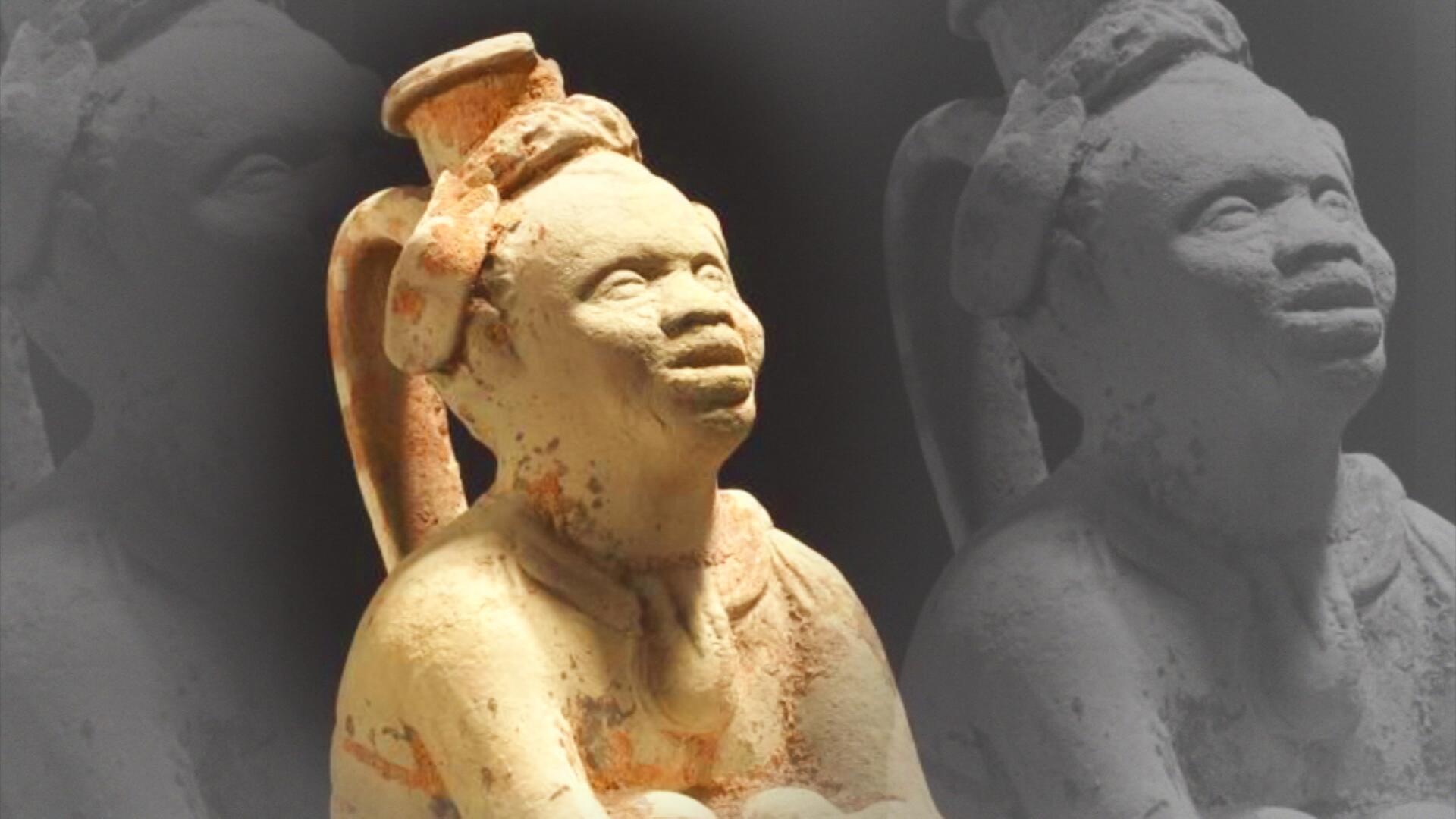
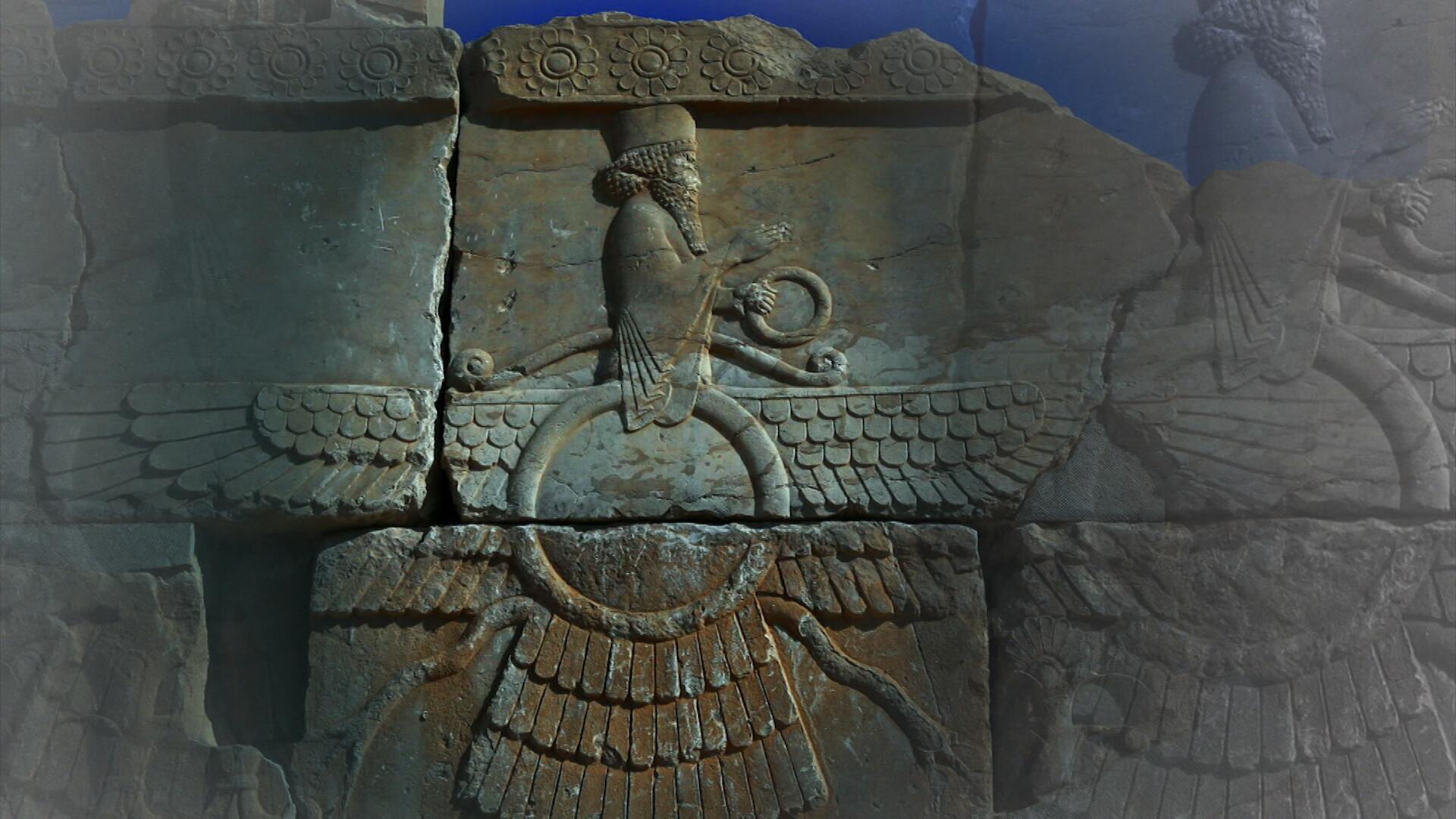
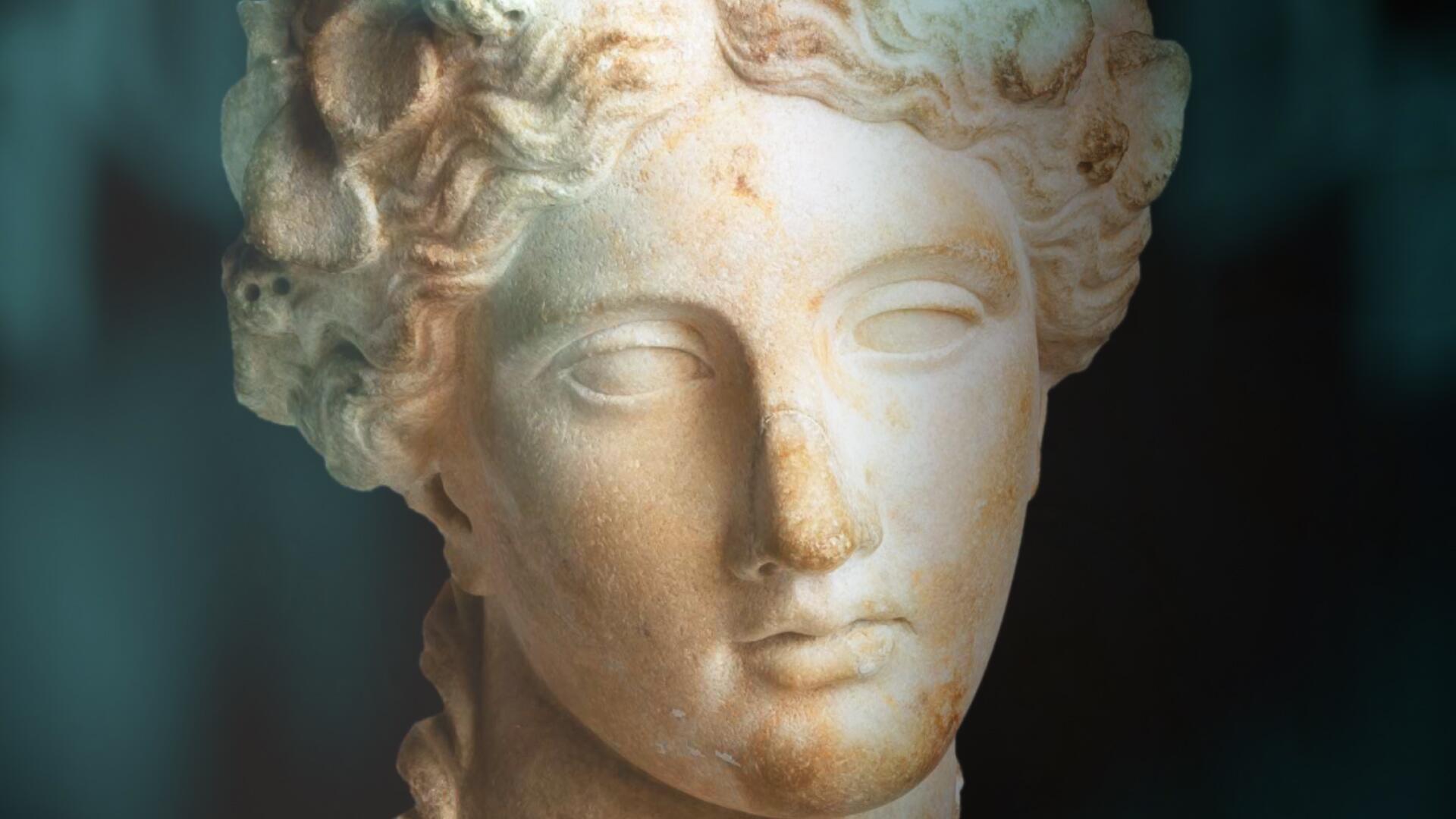
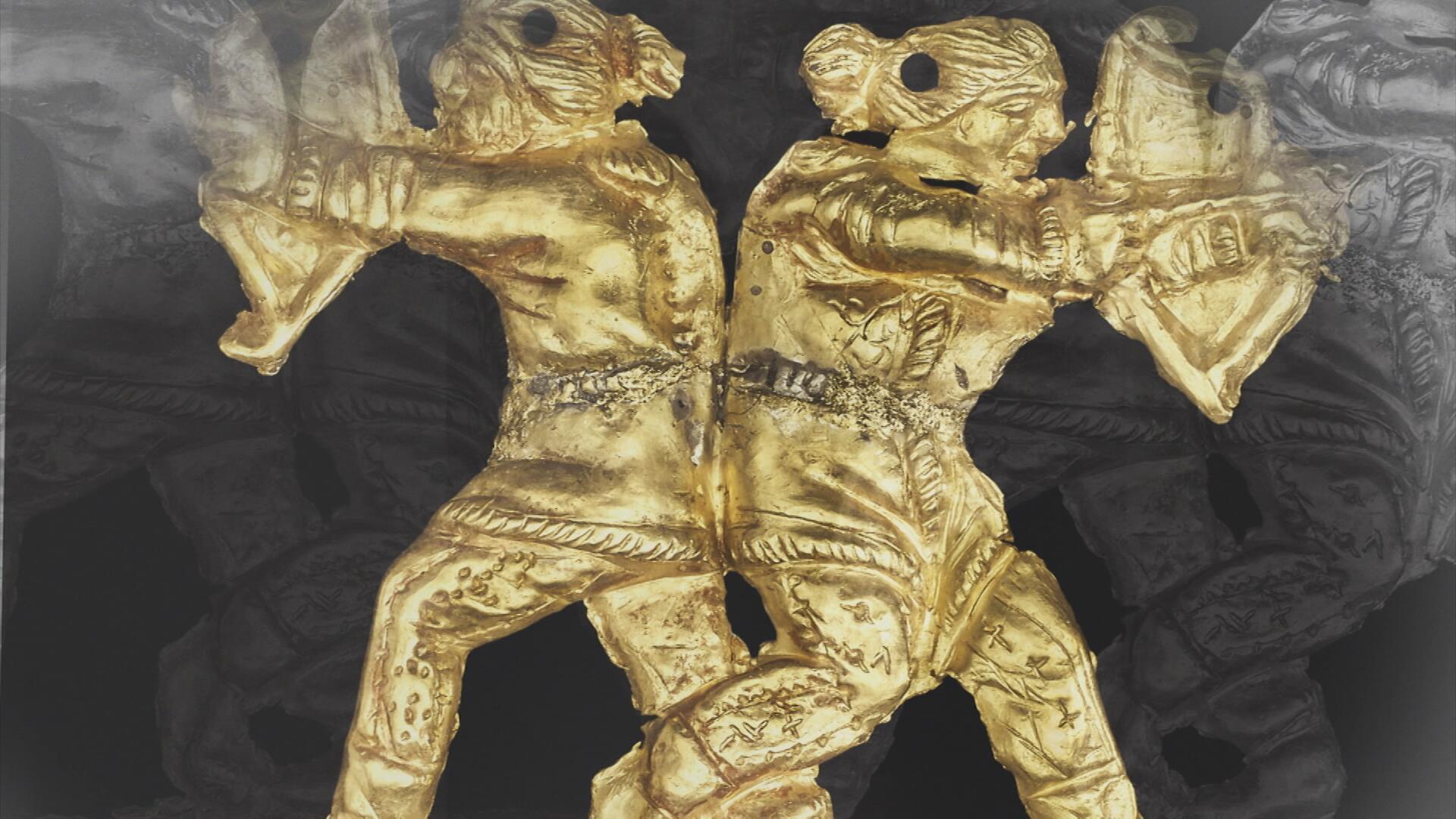
1.The Barbarian as Primitive and Uncivilised
What truly separated Greeks from Barbarians? Through Hippocrates, Herodotus, Aristotle, and the tragic poets, this episode uncovers the political, cultural, and philosophical forces behind one of antiquity’s most enduring distinctions - and reveals how ancient thinkers constructed the Barbarian as primitive and uncivilised, even as they questioned, challenged, and ultimately reimagined the very meaning of freedom, power, and human nature.
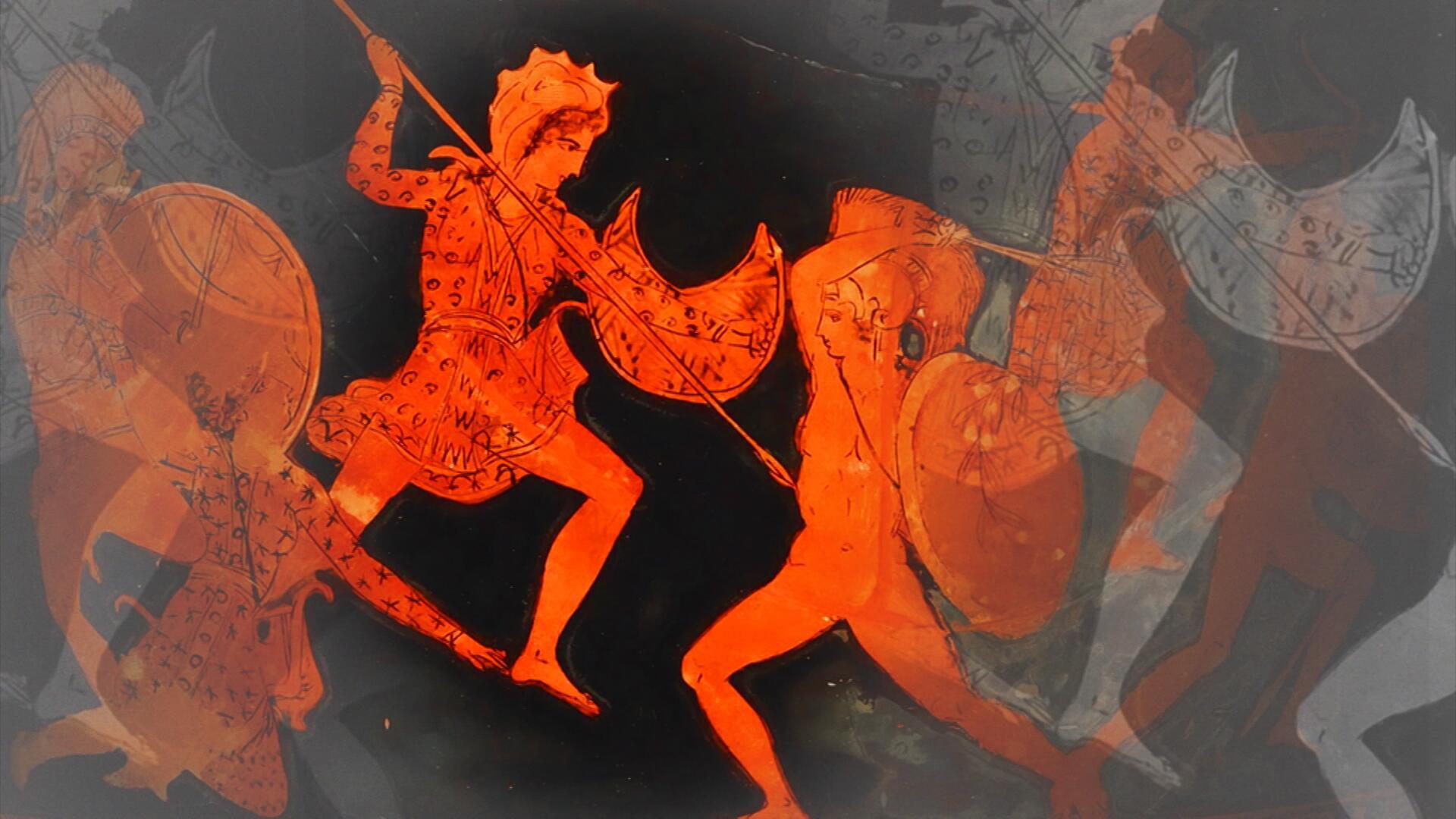
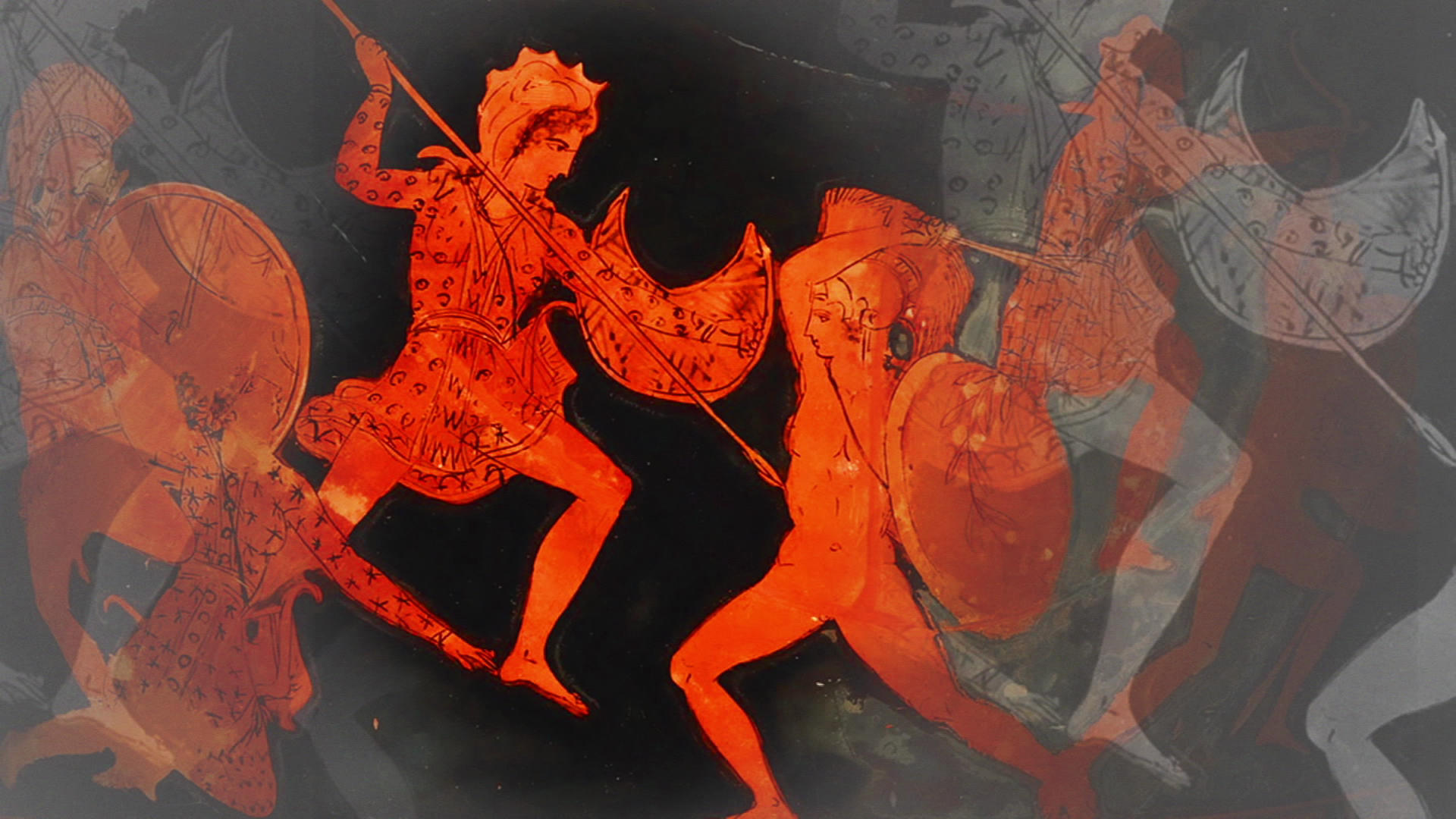
2.The Barbarian as Enemy
This episode explores how the figure of the Barbarian as “enemy” was shaped through the two most iconic adversaries of the Greek world: the Trojans and the Persians. From Homer’s Iliad, where Greeks and Trojans share rituals, values, and humanity, to the tragic poets who give voice to the conquered, we uncover a narrative in which the line between Greek and enemy is anything but clear. As political pressures forged the image of the tyrannical, luxurious Persian in contrast to the free Greek citizen, poets and thinkers repeatedly destabilised these stereotypes, revealing that enmity and “barbarity” were cultural constructions rather than fixed truths.
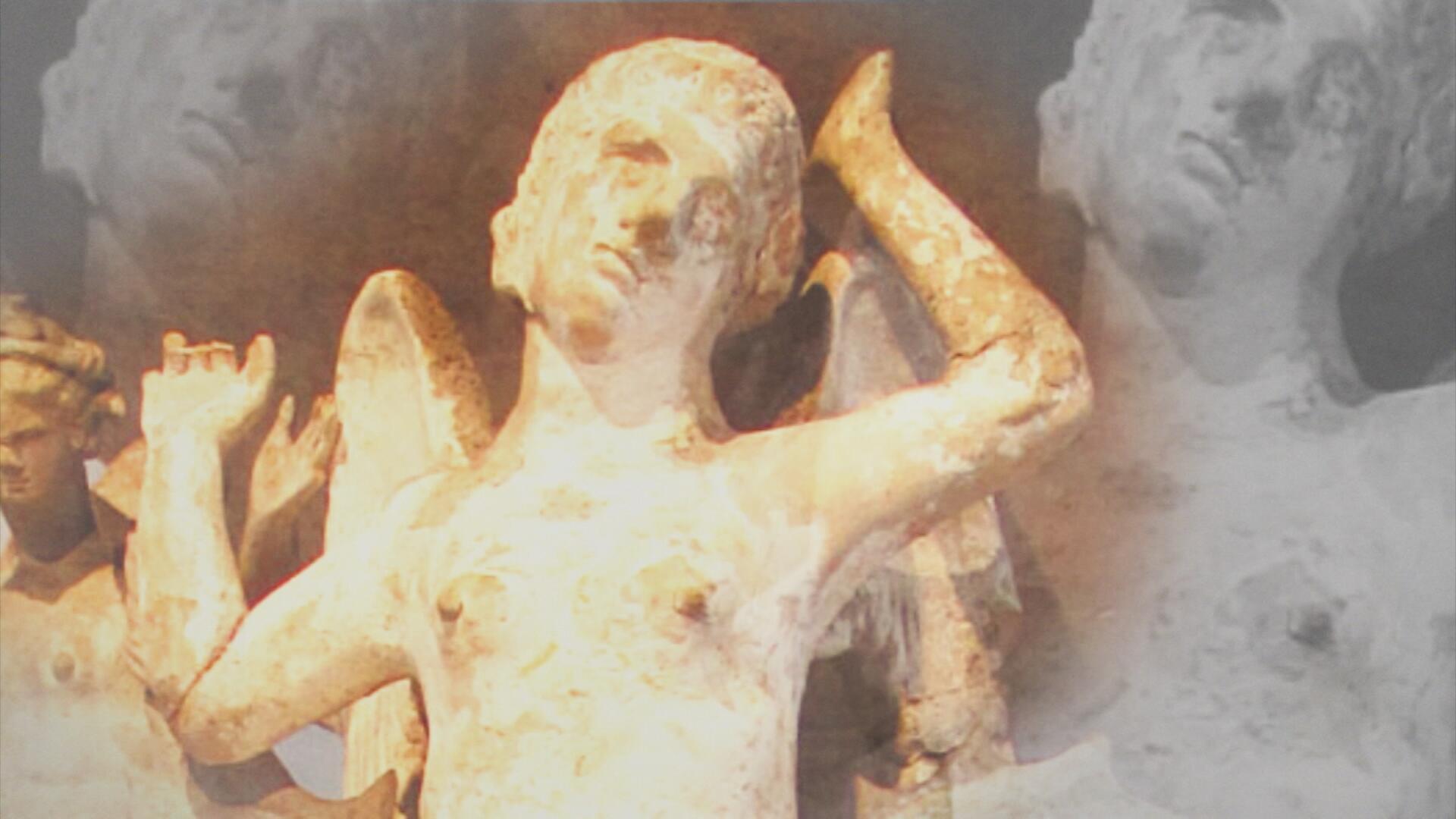
3. The Barbarian as Slave and Unfree”
This episode examines how, after the Persian Wars, the Greek–Barbarian divide became deeply tied to ideas of freedom, slavery, and political identity. Through Hippocrates, Herodotus, Aristotle, and the tragic poets, we reveal how geography, climate, and forms of governance were used to portray Barbarians as naturally submissive and unfree,while philosophers and playwrights challenged these notions, exposing the violence, contradictions, and moral complexities of Greek society itself. Ultimately, the episode shows that the “unfree Barbarian” was less a truth than a cultural construction that helped define what it meant to be Greek.
- Director Lina Damaskopoulou